Bobotie: A Dish Born on the Spice Route
How Dutch kitchens and Cape Malay cooks created South Africa's best-loved bake.
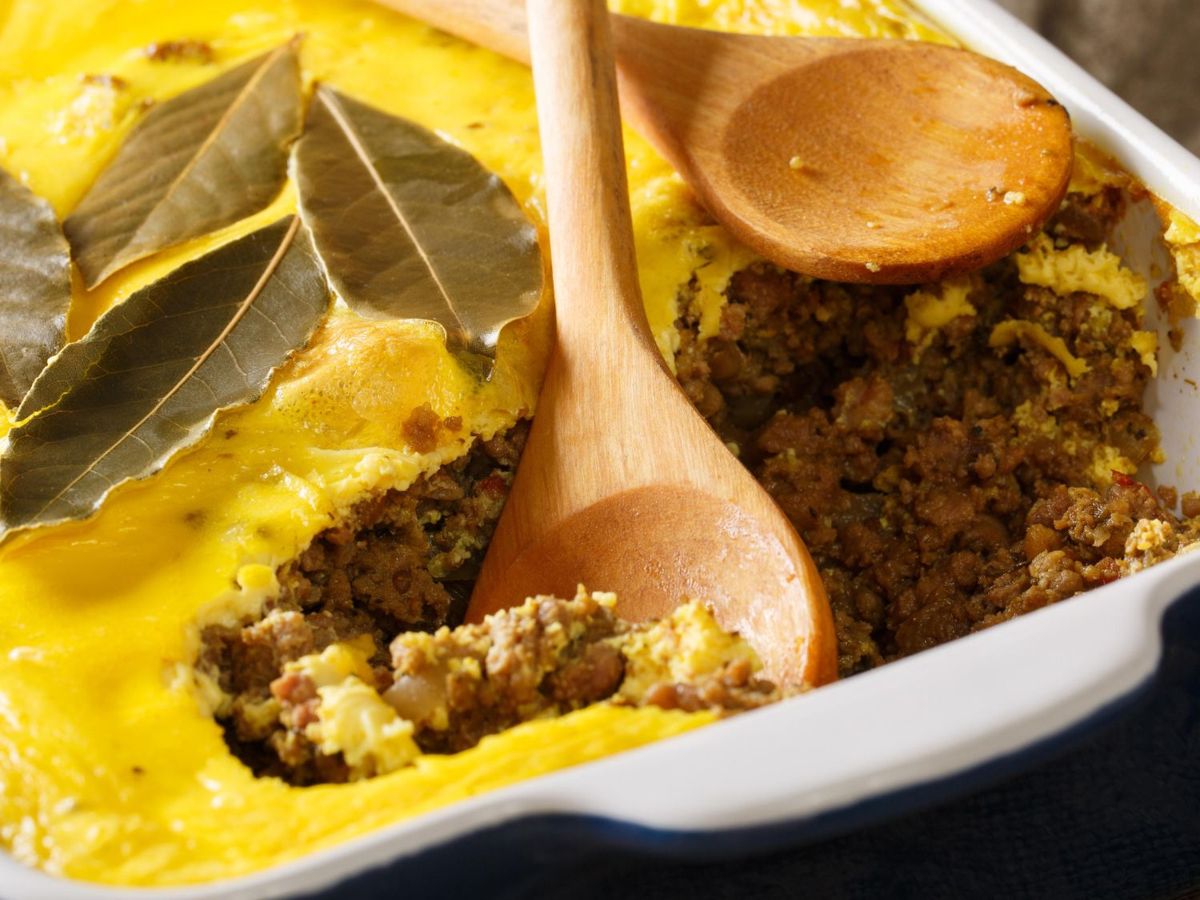
Bobotie tastes like the whole history of the Cape in one dish: a little European, a lot of spice-route warmth, and completely South African.
A stop on the spice route
In 1652 the Dutch East India Company set up a station at the Cape of Good Hope to resupply its ships sailing to and from the East. Enslaved people and political exiles were brought to the Cape from Indonesia, Malaysia, India and beyond, and many of them cooked in Dutch homes.
Two kitchens become one
Those cooks, whose descendants became the Cape Malay community, blended European habits — like soaking bread in milk for meat dishes and baking eggs over the top — with the spices, sweet-and-sour balance and fruit of their own traditions. Early versions were flavoured with ginger, lemon rind and vinegar or tamarind; curry powder came later. Beef and lamb are most common today, in keeping with the community's Muslim dietary practice.
On every table
Today bobotie turns up everywhere, from Sunday lunch to celebrations, usually with yellow rice, chutney and sambals. South Africa has no official national dish, but if you ask people to name one, bobotie is often the first answer.
Free: the South African ingredient swap list
Mrs Ball's, All Gold, Maizena, Ultramel — what to buy instead in Canada and the US, on one page for your fridge.